
Materials & grades
1018 low-carbon steel (UNS G10180): equivalents C16E / C15, 070M20 (EN3), 15C8, S17C
1018 is a low-carbon, non-alloy steel with 0.15–0.20 % carbon and 0.60–0.90 % manganese, widely used as cold-drawn bar for machined and case-hardened parts. No other national standard has an identical grade; the nearest are C16E or C15 in Europe, 070M20 (EN3) or 080A17 in the UK, 15C8 in India and S17C in Japan.
Names by standard
What it is called in each region
| Region | System | Designation | Norma | Match |
|---|---|---|---|---|
| USA | AISI/SAE | 1018 | SAE J403; ASTM A29 / A108 | Same material |
| UNS | G10180 | — | Same material | |
| UK | BS 970 | 080A17Listed as the BS counterpart of 1018 in the MatWeb-derived 1018 datasheet. BS 970 has since been withdrawn in favour of European standards. | BS 970 | Closest equivalent |
| BS 970 | 070M20Common UK stock grade for bright mild steel. Slightly higher carbon (0.16–0.24 %); suppliers relate it more closely to 1020/1021 and C22E. | BS 970 | Closest equivalent | |
| BS 970 (1955 EN series) | EN3 (EN3A / EN3B)Superseded 1955 name for the 070M20 family. Sources disagree on whether 070M20 corresponds to EN3A or EN3B. | — | Closest equivalent | |
| EU | EN 10027-1 name | C16ECase-hardening steel with the same 0.60–0.90 % Mn range as 1018 but 0.12–0.18 % C. | EN 10084 | Closest equivalent |
| EN 10027-2 number | 1.1148Material number of C16E. | EN 10084 | Closest equivalent | |
| EN 10027-1 name | C15 / C15EMost often cited in cross-reference charts, but manganese is lower (0.30–0.60 %). | EN 10277 (C15, 1.0401); EN 10084 (C15E, 1.1141) | Closest equivalent | |
| DIN (legacy) | Ck15 / C16.8 (1.0453)Superseded German names still used in searches. Ck15 became C15E; C16.8 (1.0453) is listed against 1018 in the MatWeb-derived datasheet. | — | Closest equivalent | |
| Indie | IS 1570 | 15C8Same manganese range (0.60–0.90 %) with a wider carbon range (0.10–0.20 %). | IS 1570 (Part 2/Sec 1) | Closest equivalent |
| IS 1570 (old designation) | C15Mn75Superseded Indian name for 15C8. | — | Closest equivalent | |
| Japan | JIS G 4051 | S17CSame carbon range as 1018 (0.15–0.20 %). JIS low-carbon S-C grades have lower manganese than 1018. | JIS G 4051 | Closest equivalent |
| JIS G 4051 | S15C / S20CAlso cited for 1018 in charts. S15C is lower in carbon (0.13–0.18 %); S20C is higher (0.18–0.23 %). | JIS G 4051 | Closest equivalent |
On equivalence
- There is no exact European, British, Indian or Japanese twin of 1018; every equivalent here is marked closest.
- Cross-reference charts most often give C15 / C15E, but those have 0.30–0.60 % Mn against 1018's 0.60–0.90 %. C16E (EN 10084) matches the manganese range and is the closer European composition.
- UK sources differ: the MatWeb-derived datasheet lists 080A17, while UK stockists supply 070M20 (EN3), which suppliers equate with 1020/1021 and C22E. 070M20 is the usual UK stock substitute.
- Sources disagree on whether 070M20 was EN3A or EN3B; both names are still used for UK bright mild steel.
- 15C8 under IS 1570 fixes only carbon and manganese; phosphorus, sulphur and silicon are set by the product standard the steel is ordered to.
- S17C matches 1018's carbon range, but JIS low-carbon S-C grades carry a lower manganese range (for example S20C at 0.30–0.60 % Mn in a mill brochure citing JIS G 4051:2005). Check manganese if hardenability or strength matters.
Chemical composition
Composition limits, mass %
| Element | 1018USA · SAE J403 | 070M20UK · BS 970 | C16E (1.1148)EU · EN 10084 | C15 (1.0401)EU · EN 10277 | 15C8Indie · IS 1570 (Part 2/Sec 1):1979 | S17CJapan · JIS G 4051:2023 |
|---|---|---|---|---|---|---|
| C | 0.15–0.20 | 0.16–0.24 | 0.12–0.18 | 0.12–0.18 | 0.10–0.20 | 0.15–0.20 |
| Si | — | — | — | <0.40 | — | — |
| Mn | 0.60–0.90 | 0.50–0.90 | 0.60–0.90 | 0.30–0.60 | 0.60–0.90 | — |
| P | ≤0.030 | ≤0.035 | ≤0.035 | ≤0.045 | — | — |
| S | ≤0.050 | ≤0.035 | — | ≤0.045 | — | — |
| Cr | — | — | — | — | — | ≤0.20 |
| Cr+Ni | — | — | — | — | — | ≤0.35 |
Mechanical properties
Strength and hardness
| Condition | Tensile strength | Yield strength | Elongation | Hardness |
|---|---|---|---|---|
| Hot rolledEstimated minimum, bars 19–32 mm (3/4–1-1/4 in), SAE J1397 basisSAE J1397 estimates as published by ICAST and Guanyu | 400 MPa58 ksi | 220 MPa32 ksi | 25 % | 116 HB |
| Cold drawnEstimated minimum, bars 19–32 mm (3/4–1-1/4 in), SAE J1397 basisSAE J1397 estimates as published by ICAST; Elgin/MatWeb 1018 cold-drawn datasheet | 440 MPa64 ksi | 370 MPa54 ksi | 15 % | 126 HB |
| Hot rolled or normalized (15C8)Specified range, ruling sections up to 150 mmIS 1570 (Part 2/Sec 1):1979, Table 2 | 420–500 MPa61–73 ksi | — | 25 % | — |
| Cold drawn (070M20, as stocked)Minimum, UK stockist datasheetSmiths Metal Centres EN3B datasheet | 560 MPa81 ksi | 440 MPa64 ksi | 10 % | — |
In practice
Behaviour, heat treatment and uses
Characteristics
- Readily weldable by all common processes; low carbon keeps the risk of hard, brittle weld zones low.
- Good machinability in the cold-drawn condition (about 70 % of the AISI 1212 reference in the MatWeb-derived data).
- Low hardenability: it cannot be through-hardened to useful depths, so surface hardness is obtained by case hardening.
- Cold drawing raises yield strength substantially over the hot-rolled condition, at the cost of elongation.
- No meaningful corrosion resistance; parts are normally plated, coated or oiled.
Heat treatment
- Usually supplied and used hot rolled or cold drawn without further heat treatment.
- Carburizing or carbonitriding followed by quenching gives a hard, wear-resistant case over a tough low-carbon core.
- Annealing or normalizing can restore ductility after heavy cold work or forging.
- Stress relieving after machining limits distortion in cold-drawn bar.
Typické použití
- Machined shafts, spindles, pins and bushings
- Case-hardened gears, pins and wear parts
- Bolts, studs and cold-headed fasteners
- Fixtures, brackets and general fabricated parts
- Bright bar for turned components
Carbon steels
Similar grades compared
| Jakost | C % | Mn % | Cr % | Ni % | Tensile, first listed condition |
|---|---|---|---|---|---|
| 1018 | 0.15–0.20 | 0.60–0.90 | ≤0.20 | — | 400 MPa |
| 1008 | ≤0.10 | 0.30–0.50 | — | — | 303 MPa |
| 1010 / C10E | 0.08–0.13 | 0.30–0.60 | ≤0.30 | — | 320 MPa |
| 1015 / C15E | 0.13–0.18 | 0.30–0.60 | ≤0.30 | — | 340 MPa |
| 1020 / C22E | 0.18–0.23 | 0.30–0.60 | ≤0.30 | ≤0.40 | 380 MPa |
| 1025 / C25E | 0.22–0.28 | 0.30–0.60 | ≤0.30 | ≤0.40 | 400 MPa |
| 1030 / C30 | 0.28–0.34 | 0.60–0.90 | ≤0.40 | ≤0.40 | 470 MPa |
| 1035 / C35 | 0.32–0.38 | 0.60–0.90 | ≤0.40 | ≤0.40 | 500 MPa |
| 1040 / C40 / EN8 | 0.37–0.44 | 0.60–0.90 | ≤0.40 | ≤0.40 | 524 MPa |
| 1045 / C45 | 0.43–0.50 | 0.60–0.90 | ≤0.40 | ≤0.40 | 565 MPa |
Composition from the US standard where one exists, otherwise the first standard listed on each grade's page. Strength conditions differ between grades; open a grade for its full table.
Odpovědi na Vaše otázky
Common questions
What is the European equivalent of 1018 steel?
No EN grade is identical. C16E (1.1148, EN 10084) is closest in composition because it shares 1018's 0.60–0.90 % manganese range. C15 (1.0401) and C15E (1.1141) are the grades most charts list, but they have less manganese.
Is 1018 the same as EN3 or 070M20?
No, but they are close and often substituted. 070M20 (old EN3) has 0.16–0.24 % carbon and 0.50–0.90 % manganese, so it overlaps 1018 but runs slightly higher in carbon. UK suppliers usually relate it to 1020/1021.
What is the Japanese equivalent of 1018?
S17C under JIS G 4051 has the same carbon range (0.15–0.20 %). S15C and S20C are also quoted. All three have lower manganese than 1018.
Can 1018 steel be hardened?
Not usefully by quenching alone, because its carbon content is too low. It is case hardened instead: carburizing adds carbon to the surface, which is then quenched to give a hard case over a tough core.
What is the Indian equivalent of 1018?
15C8 (formerly C15Mn75) under IS 1570 is the closest. It has the same 0.60–0.90 % manganese and a 0.10–0.20 % carbon range.
From the Corona catalog
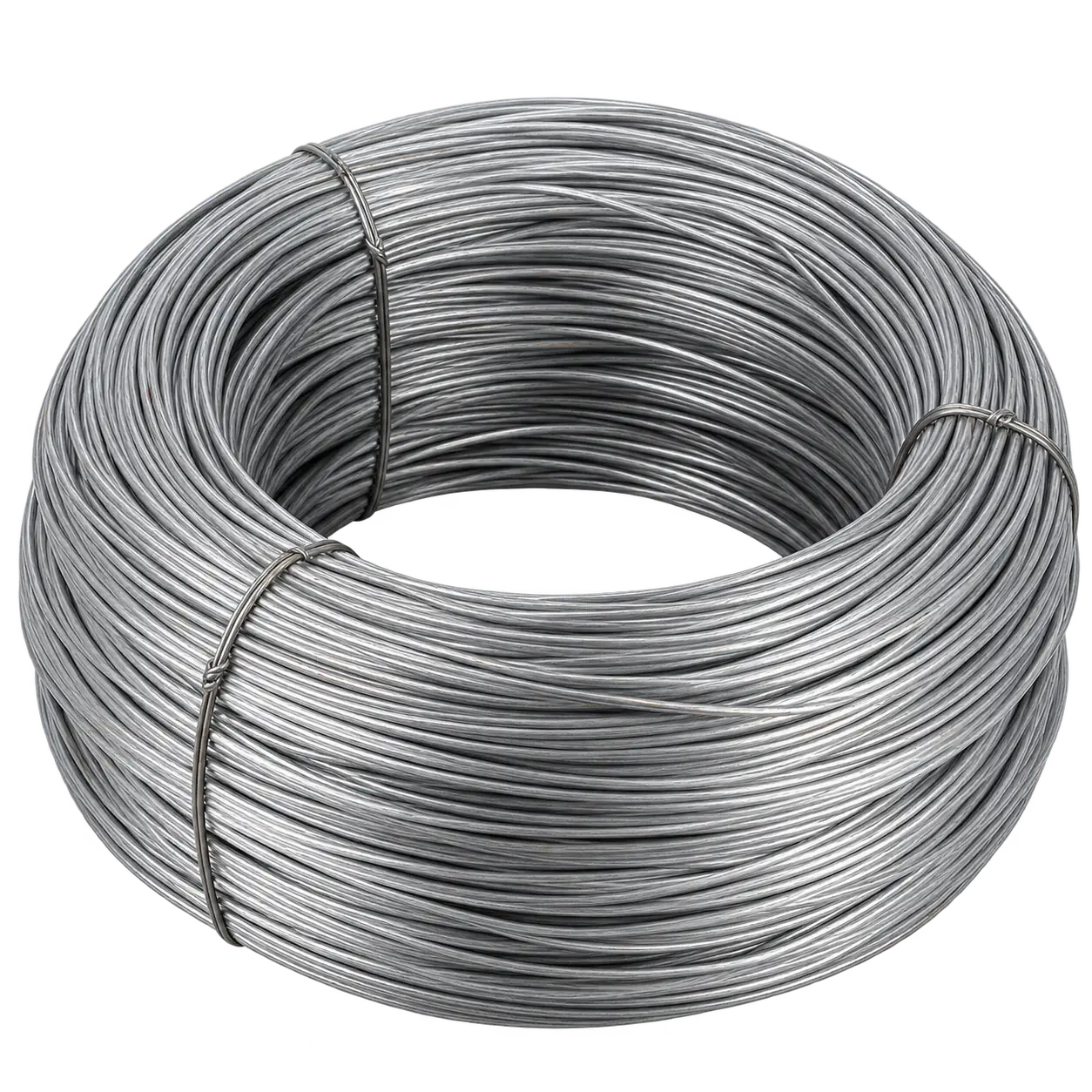
Products listed with 1018
Keep reading
Related references
References
Sources
- ICAST: SAE J403 / SAE J1397 UNS G10180, Hot Rolled — SAE J403 composition and J1397 estimated hot-rolled properties.
- ICAST: SAE J403 / SAE J1397 UNS G10180, Cold Drawn
- Guanyu: Mechanical properties of steel (hot rolled and cold drawn estimated minimums) — ksi values for 1018 hot rolled and cold drawn.
- Elgin / MW Components: Carbon Steel Grade 1018 data sheet (AISI 1018, cold drawn) — UNS G10180; lists BS 970 080A17 and DIN 1.0453 C16.8; machinability.
- AZoM: AISI 1018 Mild/Low Carbon Steel
- IS 1570 (Part 2/Sec 1):1979 Schedules for wrought steels: carbon steels (public copy) — 15C8 carbon and manganese limits and tensile ranges.
- Saarstahl material data sheet: C15 (1.0401) — EN 10277 bright steel composition; lists BS 080A15/080M15 and SAE 1015–1017.
- Total Materia: EN C16E (EN 10084:2008)
- Total Materia: JIS S17C (JIS G 4051:2023)
- Total Materia: JIS S15C (JIS G 4051:2023)
- Tachart: 070M20 — 070M20 composition; alias C22E / 1.1151.
- Smiths Metal Centres: EN3B technical datasheet
- Roymech: BS 970 steel strength table — Lists 070M20 as EN3A; notes BS 970 is superseded.
- MISUMI: JIS and foreign standards comparison for machine structural steels — Maps S15C to 1015, S17C to 1017, S20C to 1020 / 070M20 / C22.
- Australian Anti-Dumping Commission public record: exporter product brochure citing JIS G 4051:2005 — S20C manganese range 0.30–0.60 %.
Values summarize published limits and typical data. The governing standard and the current edition control; check them before specifying.